


Elevating Aviation Business Opportunities at NARTP
Welcome to the National Aviation Research and Technology Park (NARTP), where innovation meets opportunity, from research to reality.
Designed specifically for tenants in the aviation, air cargo, and advanced air mobility sectors, our state-of-the-art facilities offer the perfect environment for your business to thrive.
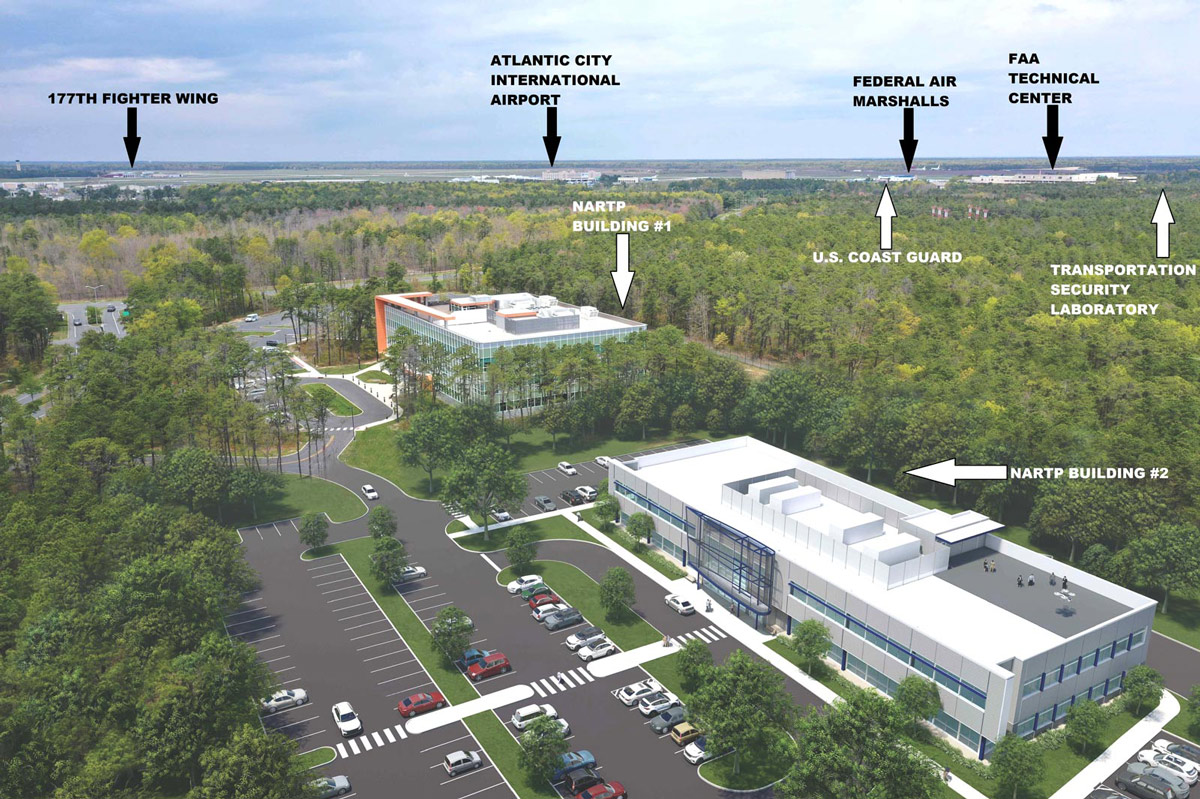
Working at NARTP

Research Topics
UAS and AAM Technologies
Advanced Air Cargo
New Ops Safety Tools/Analysis
Alternate Propulsion/Fuels
Autonomy and Human-In/On-The-Loop
Cyber Security
Fostering Innovation
At NARTP, our tenants are driven by more than just profit. Our community is committed to advancing aerospace research.
-
Forging Lasting Strategic Partnerships
We foster partnerships that prioritize safety and sustainability, aligning with national interests to enhance aviation safety across the country.
Our connections go beyond our relationship with the FAA. At NARTP, we have all the parts you need for success: A vast pool of top-tier talent, established professional networks, advanced research and testing facilities, and an attractive regional lifestyle. This is your opportunity to play a pivotal role in system-wide safety initiatives, as outlined in the Reauthorization Act of 2024.
Right here, in Atlantic County, new entrants and legacy carriers converge and align, transforming practical, day-to-day operations.
-
A Regional Player in a National Strategy
NARTP serves as a leader with national impact, collaborating with other regional entities to address aviation industry challenges. We bring diverse perspectives to the table, identifying threats and crafting solutions that resonate across the nation.
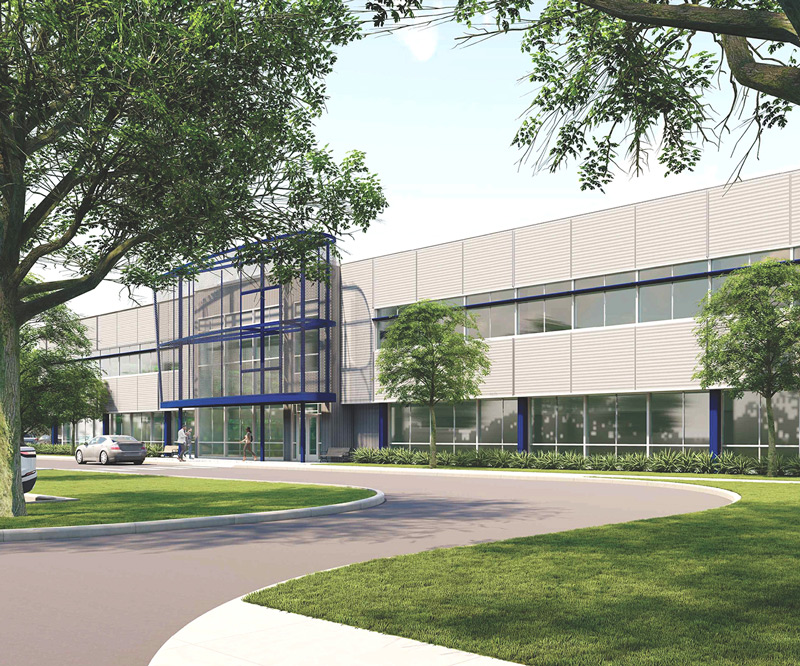
Join a thriving community at NARTP and be part of shaping the future of aerospace. Together, let's redefine what's possible.
East Coast UAS Corridor Announced
The skies above the East Coast are buzzing with potential as a groundbreaking new Uncrewed Aerial System (UAS) and Advanced Air Mobility (AAM) testing corridor has been announced. This initiative, developed under a Cooperative Research and Development Agreement (CRADA), connects Joint Base McGuire-Dix-Lakehurst in New Jersey to Dover Air Force Base in Delaware, creating new opportunities for aviation innovation.
Launched in partnership with U.S. Transportation Command (USTRANSCOM), Air Mobility Command (AMC), the National Aerospace Research & Technology Park (NARTP), and the Atlantic County Economic Alliance (ACEA), the project is poised to define the future of air mobility technologies.
-
A Game-Changer for Aviation Research
This partnership has set the stage for an East Coast test and evaluation corridor that will cater to both military and civilian uses. The corridor will support the development, demonstration, and evaluation of cutting-edge UAS and AAM technologies across military, government, academic, and commercial sectors.
“USTRANSCOM and AMC are major players in aviation. Their interest in working with the NARTP helps to advance both the development of the NARTP and the emerging aviation industry in New Jersey’s Atlantic County,” stated NARTP Board Chairman Mark Loeben, a retired Air Force major general and American Airlines captain.
This dual-use corridor is unlike any other. Not only will it allow for the safe and efficient integration of new air mobility technologies into the national airspace, but it will also permit the testing of civilian craft from non-defense sites, including the NARTP.
-
Why Does This Matter?
The uncrewed systems and AAM technologies being developed today are expected to revolutionize air transportation. From drones to electric vertical takeoff and landing (eVTOL) aircraft, these innovations will provide fast, eco-friendly options to move people and cargo between harder-to-reach locations. The corridor will accelerate the testing of these technologies, fostering their eventual adoption on a broader scale.
The strategic location of the corridor offers unique advantages for robust testing scenarios. By stretching across key infrastructure in New Jersey and Delaware, it gives stakeholders the ability to rapidly assess operational capabilities, technical concepts, and measures of value in real-world settings.
-
The Launch Pad for Innovation
Located in Atlantic County, NJ, the NARTP plays a vital role in supporting aviation advancements. The NARTP connects to the FAA’s William J. Hughes Technical Center and Atlantic City International Airport—both recognized leaders in aviation research. This connection positions NARTP as a central hub within this expansive testing corridor.
Howard J. Kyle, President of NARTP, emphasized the importance of collaboration in aviation breakthroughs. “The CRADA is an outcome of the NARTP’s work with AMC and FAA on the Airfield Autonomy Initiative (AAI). This collaboration is advancing automated airfield technology with applications ranging from foreign object debris removal to perimeter patrol.”
NARTP’s efforts to catalyze economic growth are further bolstered by the Atlantic County Economic Alliance, which is funding parts of the CRADA implementation through grants from the U.S. Economic Development Administration (USEDA). Lauren Moore, ACEA President, highlighted the project’s broader impact, noting, “Opening the airspace for military and civilian UAS/AAM research will create significant economic development opportunities that will benefit the entire state of New Jersey.”
-
Shaping the Future of Aviation
This collaborative project isn’t just about technology—it’s about transforming the aviation landscape as we know it.
U.S. Transportation Command (USTRANSCOM), a unified command within the Department of Defense, emphasizes strategic air, land, and sea transportation capabilities. Air Mobility Command (AMC), a component of USTRANSCOM, plays a pivotal role by providing global air mobility support, advanced airlift capabilities, and aeromedical evacuation services.
Meanwhile, NARTP is setting ambitious goals to foster innovation through collaboration. By leveraging partnerships spanning business, academia, and government, the NARTP ensures that advanced aviation technologies are rigorously researched, developed, and eventually commercialized.
-
Why the Corridor Matters
The East Coast test corridor is creating a ripple effect of opportunities for innovation, economic growth, and enhanced national security. Here’s why it’s important:
- Accelerated UAS & AAM Development: The corridor provides a safe, dedicated space to test game-changing technologies.
- Economic Growth: By bringing together public and private stakeholders, it fosters a thriving ecosystem for aerospace development in New Jersey and beyond.
- Global Leadership: The initiative further solidifies the U.S. as a leader in next-generation aviation technologies.
-
What’s Next?
With the UAS/AAM corridor now underway, the boundaries of what’s possible in aviation are being pushed every day. Collaborations between key players like USTRANSCOM, AMC, NARTP, and ACEA are paving the way for an innovation-driven economy while addressing the safety and integration challenges of these technologies.
With ties to federal resources like the FAA’s William J. Hughes Technical Center and the Atlantic City International Airport, NARTP continues to be a driving force behind these advancements.
By focusing on collaboration to drive innovation, this project serves as a beacon for the future of aviation. Keep an eye on this space—it’s only the beginning for what this dual-use East Coast test corridor will achieve.
To learn more about the NARTP and their groundbreaking efforts, visit nartp.com.
Advancing UAS and AAM Technologies


Officials representing U.S. Transportation Command (USTRANSCOM), Air Mobility Command (AMC), the National Aerospace Research & Technology Park (NARTP), and the Atlantic County Economic Alliance (ACEA) create a test and evaluation corridor for the development of Uncrewed Aerial Systems (UAS) and automated Advanced Air Mobility (AAM) technologies.
The parties developed a prototype dual-use U.S. East Coast test and evaluation corridor for the demonstration, development, and evaluation of military, commercial, academic, and Federal Government UAS and AAM technologies with future application to strategic airlift capabilities of the U.S. Air Force.
What makes the designated airspace a “dual use” corridor? The CRADA facilitates the launching and landing of civilian craft from non-DOD sites within the corridor, including the NARTP. Many of the tests and experiments envisioned are only possible with a dedicated corridor.
UASs are often referred to as drones, while AAM involves the use of electric vertical takeoff and landing (eVTOL) aircraft to move people and cargo between places not easily served by other modes of transportation. Both UAS and AAM technologies are being developed rapidly by government and military agencies and private industry and the testing corridor will help to safely integrate them into the national airspace.
The availability of the UAS/AAM evaluation corridor between Joint Base McGuire-Dix-Lakehurst (JBMDL) in New Jersey and Dover AFB in Delaware allows AMC and USTRANSCOM to rapidly assess technical and operational concepts for UAS and AAM, and to develop measures of value in operational scenarios.
Events at NARTP
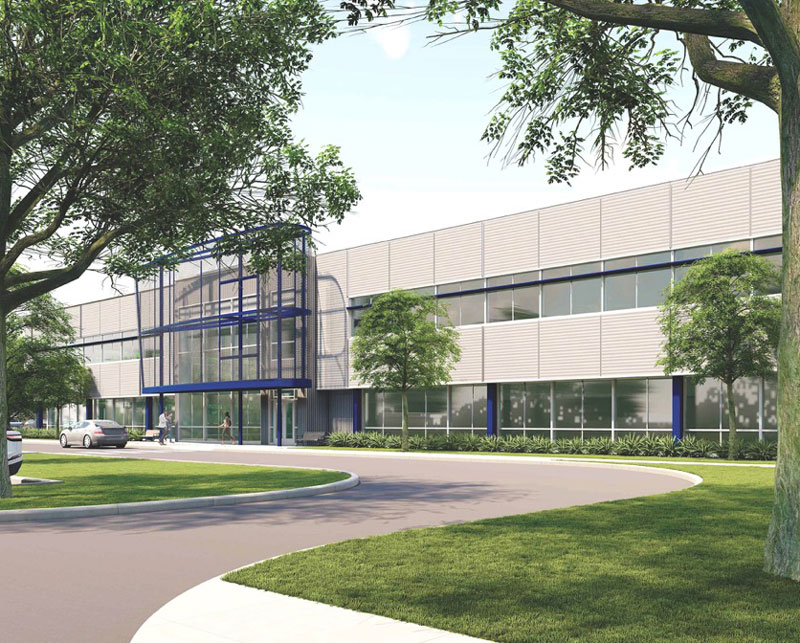
Groundbreaking Ceremony to Be Held for Second Building at National Aerospace Research & Technology Park
Thursday, October 12, 2023, 11:00 AMNational Aerospace Research & Technology Park600 Aviation Research Blvd.Egg Harbor Township, NJ 08234Contact the Atlantic County Economic Alliance at (609) 245-0019 […]... Read More